

Why You Need a Phase 1 ESA Before Buying Commercial Property

Overview
Conducting a Phase 1 Environmental Site Assessment (ESA) is essential before purchasing commercial property, as it helps identify potential environmental risks and liabilities that could impact the property's value and usability. This assessment involves a comprehensive review of historical property records, site inspections, and interviews, aiming to uncover any environmental concerns. Understanding the findings of a Phase 1 ESA can protect buyers from unforeseen financial and legal challenges, influencing negotiation and purchasing decisions. A Phase 1 ESA is a crucial step in ensuring a sound investment decision when buying commercial property.
Contents
The Importance of a Phase 1 ESA in Commercial Property Transactions
How to Conduct a Phase 1 ESA Before Buying Commercial Property
Advanced Considerations in Phase 1 ESA for Commercial Properties
- Are Phase 1 ESAs required by law for all commercial properties?
- What are the differences between Phase 1 and Phase 2 ESAs?
This article focuses on Why You Need a Phase 1 ESA Before Buying Commercial Property; where relevant we also address phase 1 esa before buying commercial property without making speed or the keyword phrase the sole subject of the piece.
Introduction
Conducting a Phase 1 Environmental Site Assessment (ESA) is crucial before purchasing commercial property. This assessment helps identify potential environmental risks and liabilities that could significantly impact the property's value and usability. By uncovering hidden issues, a Phase 1 ESA can protect buyers from unforeseen financial and legal challenges, ensuring a sound investment decision.
Understanding Phase 1 Environmental Site Assessments
A Phase 1 Environmental Site Assessment is a vital process designed to evaluate the environmental condition of a property. Its primary purpose is to identify any potential or existing environmental contamination liabilities. The assessment involves an in-depth review of historical property records, site inspections, and interviews with current and past property owners. Typically, environmental consultants with expertise in environmental science and compliance conduct these assessments.
The key components of a Phase 1 ESA include a thorough examination of historical property usage, a detailed site inspection to identify signs of contamination, and the analysis of relevant environmental records. The ultimate goal is to identify recognized environmental conditions that could affect the property's value or pose legal liabilities for the buyer. Understanding the findings of a Phase 1 ESA can help buyers make informed decisions and potentially avoid costly remediation efforts.
The Importance of a Phase 1 ESA in Commercial Property Transactions
A Phase 1 ESA is essential for protecting buyers from unforeseen environmental risks. Without this assessment, buyers may face significant legal and financial implications, including liability for cleanup costs if contamination is later discovered. For instance, properties with underground storage tanks or historical industrial use might harbor soil or groundwater contamination that could require extensive remediation.
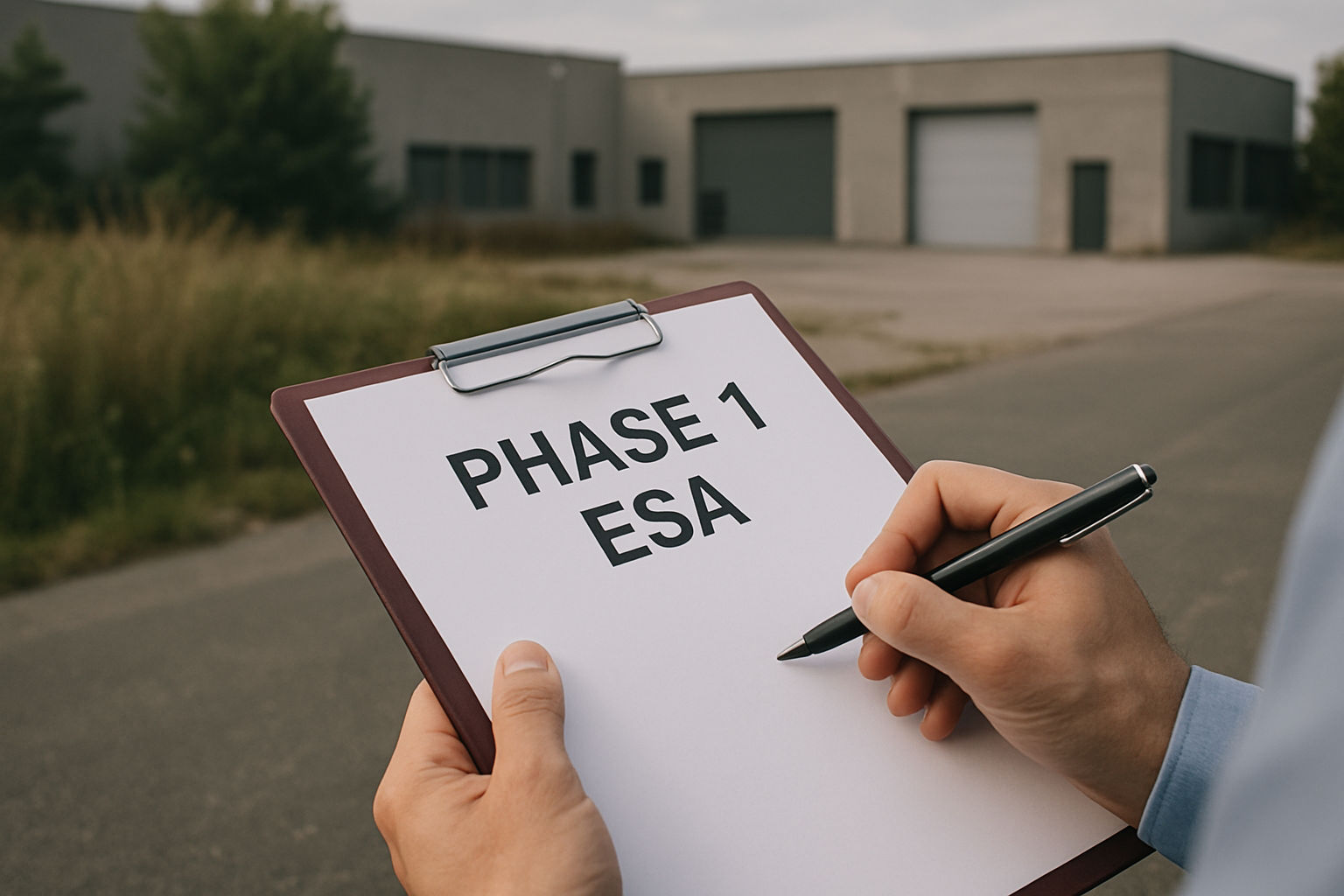
Conducting a Phase 1 ESA can influence negotiation and purchasing decisions. If issues are detected, buyers can negotiate for a lower purchase price or require the seller to address the problems before closing the deal. In some cases, the findings might even necessitate walking away from the purchase altogether. By addressing these potential issues upfront, buyers can safeguard their investments and ensure their property purchase aligns with their financial and operational goals.
How to Conduct a Phase 1 ESA Before Buying Commercial Property
The process of conducting a Phase 1 ESA typically involves several key steps. First, the buyer hires a qualified environmental consultant to carry out the assessment. This consultant will gather historical property data, perform a site inspection, and review environmental records. The timeline for completing a Phase 1 ESA usually ranges from a few weeks to a month, depending on the property's complexity and size.
Selecting a reputable environmental consultant is critical. Buyers should look for consultants with a strong track record, relevant certifications, and a thorough understanding of local environmental regulations. After the assessment, the consultant provides a detailed report outlining their findings. Buyers must carefully review this report to understand any potential environmental liabilities and determine the next steps. Consulting an expert in environmental assessments can ensure an effective Phase 1 assessment and guide buyers in making informed decisions.
Common Mistakes and Misconceptions About Phase 1 ESAs
One common misconception about Phase 1 ESAs is that they guarantee a property is free of environmental issues. In reality, a Phase 1 ESA is a preliminary assessment that identifies potential risks. It does not include sampling or testing, which might be necessary if issues are suspected.
Buyers often make the mistake of skipping a Phase 1 ESA to save costs. However, this can lead to far greater expenses later if environmental problems are discovered after the purchase. Additionally, relying on outdated or incomplete assessments can result in overlooking significant risks. It's crucial for buyers to understand the limitations of a Phase 1 ESA and use it as a tool to assess potential concerns, rather than as a definitive clearance of all environmental problems.
Alternatives and Complementary Assessments to Phase 1 ESA
While a Phase 1 ESA is a critical step in property due diligence, there are instances where additional assessments might be necessary. If a Phase 1 ESA identifies potential contamination, a Phase 2 ESA may be conducted. This involves sampling soil, water, or building materials to confirm contamination levels and determine remediation needs.
Environmental audits and remediation plans can also complement a Phase 1 ESA. These assessments provide a more comprehensive understanding of a property's environmental status, especially for properties with a history of industrial use. Understanding the differences between these assessments can help buyers decide the best course of action. For a detailed comparison of these assessments, consider reviewing an effective Phase 1 assessment.
Advanced Considerations in Phase 1 ESA for Commercial Properties
In some scenarios, additional assessments may be necessary due to changes in regulations or property use. For example, a property initially zoned for commercial use might undergo changes that increase its environmental risk profile, requiring a more detailed investigation.
Buyers often express concerns about the cost and time involved in conducting a Phase 1 ESA. While the initial investment might seem high, the benefits of identifying environmental liabilities far outweigh potential cleanup costs. Industry trends indicate an increasing focus on sustainability and environmental responsibility, making Phase 1 ESAs more crucial than ever. For more insights on how these assessments can safeguard your investments, consider consulting experts in environmental due diligence.
Your Next Steps!
Before purchasing commercial property, hire a qualified environmental consultant to conduct a Phase 1 ESA. This proactive step is crucial to identify any environmental liabilities that could impact your investment. Understanding potential risks now can help you negotiate better terms or decide whether to proceed with the transaction.
Phase 1 Enviro Pros assists buyers in making informed decisions by providing detailed assessments and expert guidance. Whether you're negotiating a property purchase or assessing a property's environmental status, start by consulting with experienced professionals who understand local regulations and industry standards. Contact a certified consultant to begin your Phase 1 ESA process today.
FAQs
What is the main goal of a Phase 1 ESA?
The main goal of a Phase 1 ESA is to identify potential environmental risks associated with a property. This helps protect buyers from future liabilities related to contamination.
How long does a Phase 1 ESA typically take?
A Phase 1 ESA typically takes between two to four weeks to complete, depending on the property's size and complexity.
Can a Phase 1 ESA affect property value?
Yes, findings from a Phase 1 ESA can impact property negotiations or pricing. Identified risks may lead to price adjustments or required remediation actions.
What happens if a Phase 1 ESA reveals contamination?
If contamination is revealed, further investigation through a Phase 2 ESA may be necessary. Buyers might negotiate remediation efforts with sellers or adjust the purchase terms.
Are Phase 1 ESAs required by law for all commercial properties?
Phase 1 ESAs are not legally required for all commercial properties. However, lenders often require them to mitigate financial risks associated with potential contamination.
How often should a Phase 1 ESA be updated?
Phase 1 ESAs should be updated if there are significant changes in property use or if the assessment is over a year old. Regular updates ensure current environmental conditions are accurately represented.
What are the costs associated with a Phase 1 ESA?
The cost of a Phase 1 ESA varies based on property size, location, and complexity. Typically, prices range from $2,000 to $4,000, but it’s advisable to get a quote for an accurate estimate.
Can a Phase 1 ESA be conducted by the property owner?
While technically possible, it is highly recommended to hire a professional with environmental expertise. This ensures the assessment is thorough and compliant with industry standards.
What are the differences between Phase 1 and Phase 2 ESAs?
Phase 1 ESAs are preliminary assessments, while Phase 2 ESAs involve testing and sampling to confirm the presence of contaminants. Each serves a distinct purpose in environmental due diligence.
Conclusion
Conducting a Phase 1 ESA before purchasing commercial property is essential for identifying and mitigating environmental risks. This assessment protects buyers from unforeseen liabilities and financial burdens. By understanding the importance of a Phase 1 ESA, buyers can make informed decisions and ensure their investments are secure. Consulting with a qualified environmental consultant can provide personalized advice and guide buyers through the due diligence process. Prioritizing a thorough environmental assessment ensures a sound and responsible property transaction.
Updated October 2026
Steve Madina — CEO
Founder of Savvy Inspections and Phase 1 Enviro Pros, specializing in commercial property inspections and environmental due diligence. He helps investors and real estate professionals uncover hidden risks—such as environmental concerns and permit issues—before they impact a deal. His work focuses on delivering clear, actionable insights that support smarter, more confident property decisions.
Comments